Leo’s Story
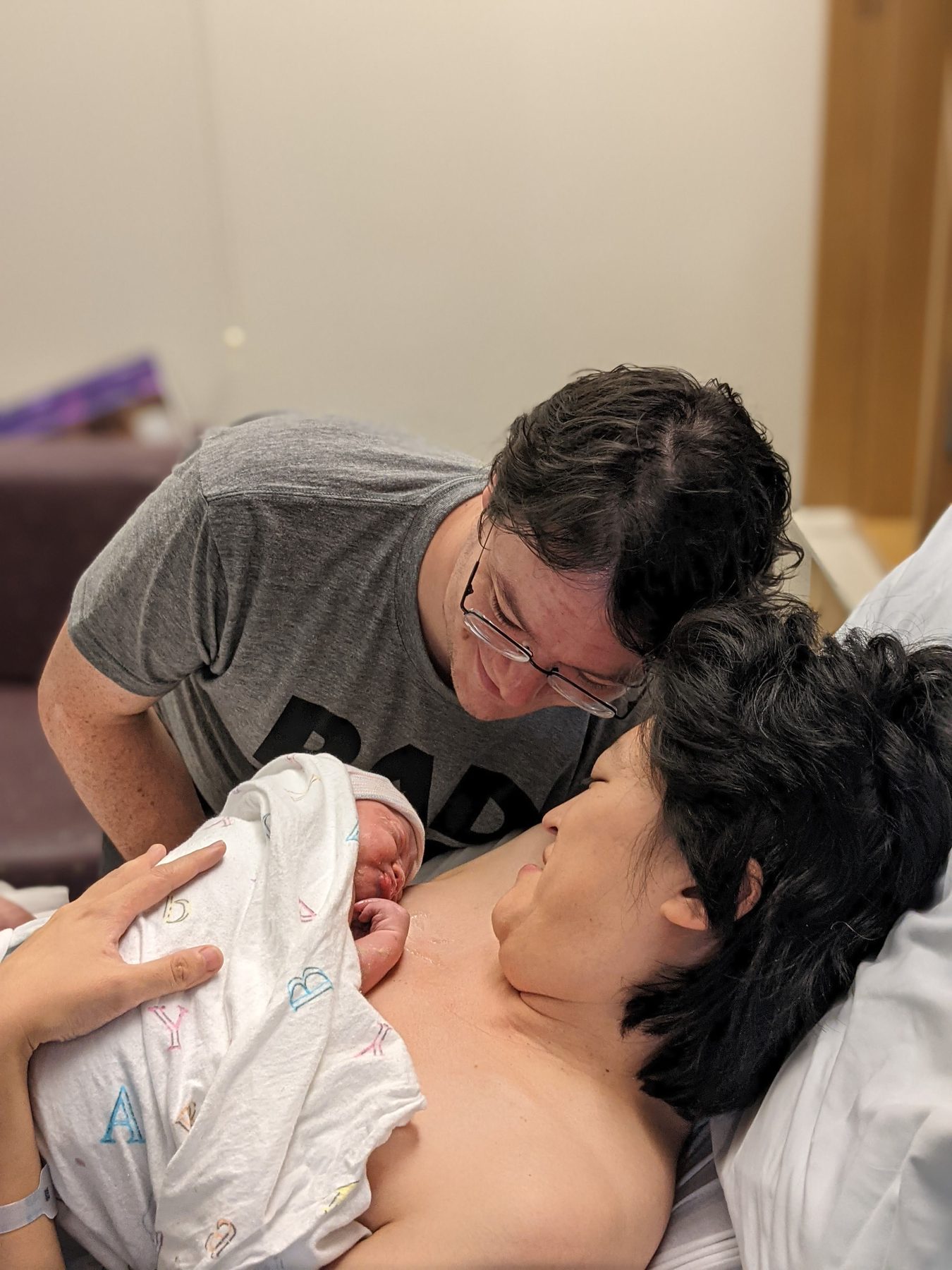
Our story begins with Leo Wei Church, born on October 4, 2021, and welcomed joyfully by mom, dad, and sister. Leo was less than a week old when a routine check-up showed that he had microcephaly. On December 23, he suffered his first seizure. Four months of continuous tests and specialist visits finally revealed a definitive diagnosis: a mutation in a copy of Leo’s transportin-2 (TNPO2) gene had altered the course of his brain and body’s development. He was the second person ever to be identified with this exact mutation.
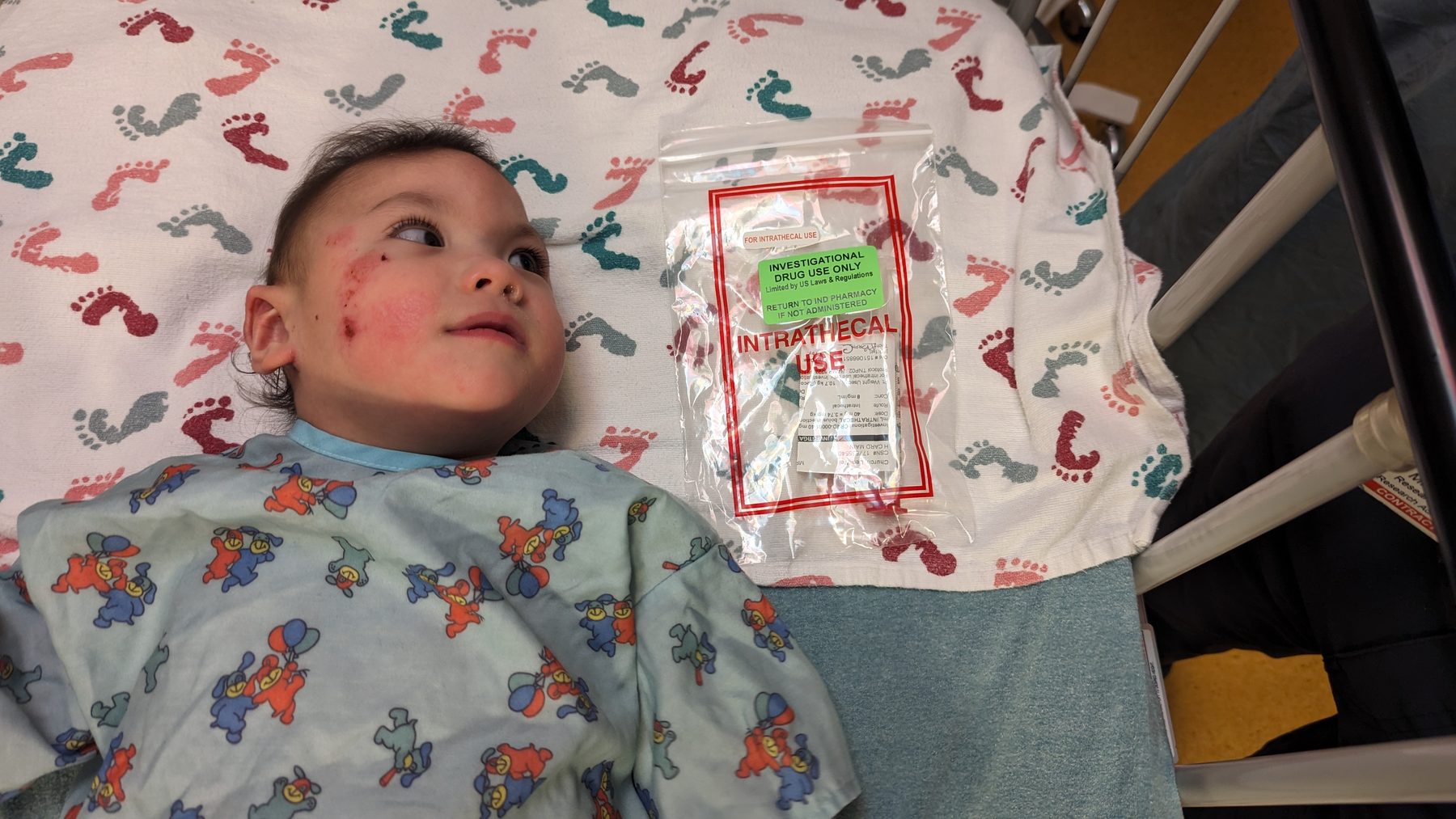
Leo’s parents launched a dedicated research program to develop an individualized antisense oligonucleotide treatment to target his unique de novo genetic disease. Baby Leo received his first dose of personalized medicine in July 2023. As his journey continues with modest but noticeable progress, it is undeniably clear that a faster diagnosis and treatment plan would have made a huge difference in his health and quality of life.
Moreover, the unique research process that Leo used to develop his medicine can be replicated and accelerated to help other children and families. The TNPO2 Foundation launched Project Baby Lion in 2024 to do just that.
With measured pragmatism grounded in sound science, we are ready to build our future together: a future of personalized medicine that is affordable and accessible for all. The TNPO2 Foundation is rallying a consortium of researchers, funders, policy-makers, clinicians, and caregivers to join us in changing the future for ultra-rare children and reshaping a healthcare system that abandons ultra-rare families.
Our work is dedicated to rescuing patient populations that are conventionally considered “too small” for attention from biomedical research and industry. While each unique ultra-rare population group may be tiny, collectively there are over 240,000 children living with actionable neurodegenerative and neurodevelopmental conditions in the U.S. alone. Massive gaps in our medical system leave caregivers of these children with little guidance or support in an overwhelming healthcare-biomedical landscape. Yet we live in an age of available, accessible science and technology that can bridge those gaps — and we have an ethical imperative to do so.
The time is now — not only for Leo and other children with ultra-rare diagnoses, but for the much-needed evolution of our medical system.